Compare gel, lotion, cream, and balm moisturizers by feel, layering, and routine fit so texture decisions become easier.
Use this guide as a calm starting point for comparing options, building a routine that fits your preferences, and shopping with clear expectations.
Guide at a glance
How to use this guide.
Who this is for
Readers comparing skincare options through a practical product comparison with comfort, fit, and everyday use in mind.
What this covers
This guide highlights the key decisions, routine context, and practical considerations that can help you choose with confidence.
Reader note
Use the ideas here as educational guidance and choose products based on your comfort, needs, and label instructions.
Common mistakes
- Treating one routine idea as a universal answer for everyone.
- Adding too many steps before understanding what each product is meant to do.
- Overlooking comfort, consistency, and label directions when comparing options.
Texture shapes comfort more than category names suggest
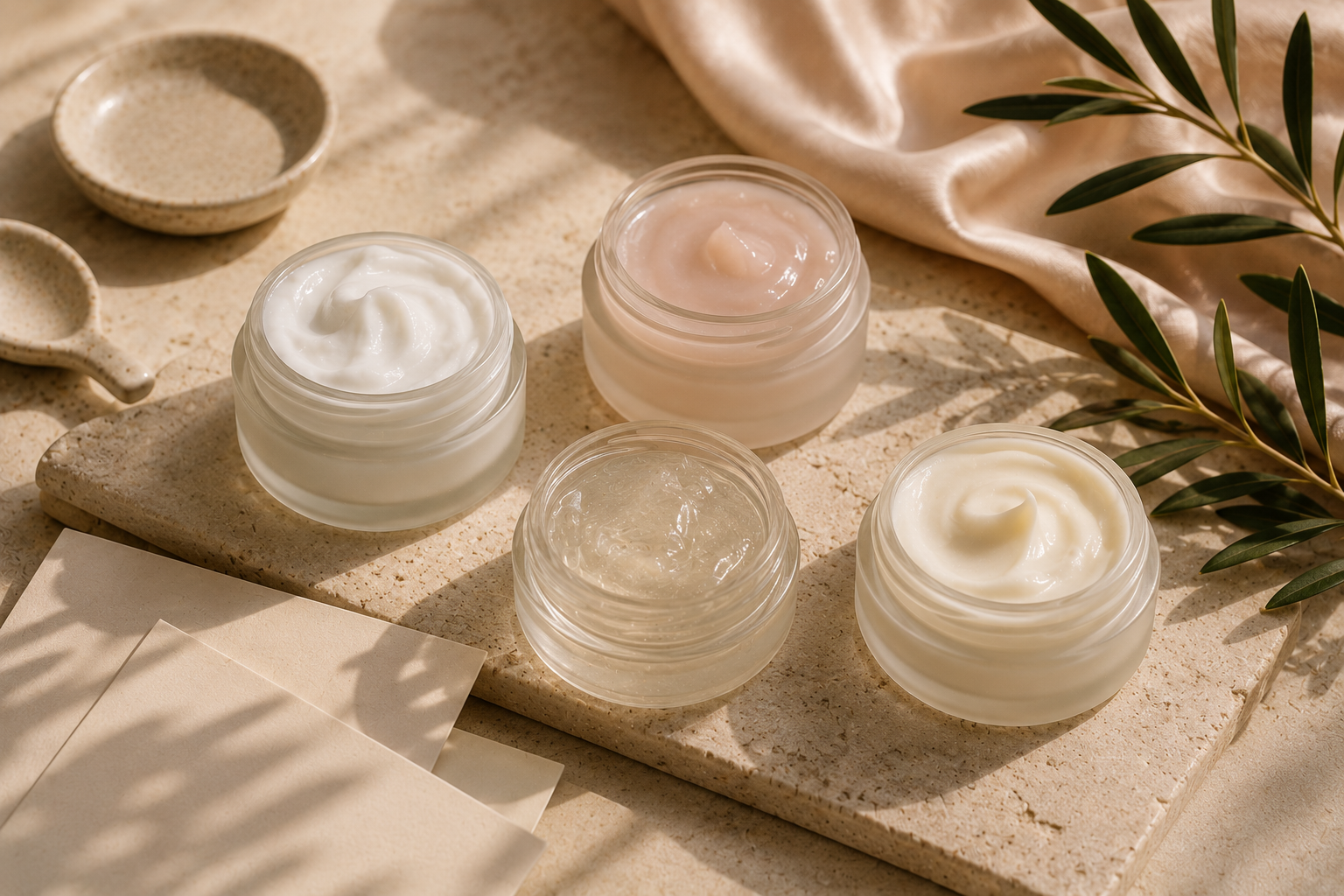
Moisturizer decisions often become easier when you compare how a texture feels during use rather than assuming one format is universally better. Gel, lotion, cream, and balm can each feel elegant when they suit the routine around them.
Texture affects spread, layering, finish, and whether the product feels natural to reach for again. That is why it often matters as much as the category label itself.
- Compare texture by feel, not hierarchy.
- Notice whether the finish feels light, soft, rich, or sealed-in.
- Think about how the formula sits under later steps.
Match the texture to the routine
A morning routine may call for a different finish than an evening routine, and seasonal shifts can change what feels comfortable. The right texture is often the one that fits the rest of the sequence without making the routine feel heavy.
This can be more useful than chasing abstract promises. When a texture fits, the routine often feels easier to repeat.
- Use morning and evening needs as separate comparison points.
- Let layering and finish guide the choice.
- Adjust texture when climate or routine changes.
Keep the comparison simple
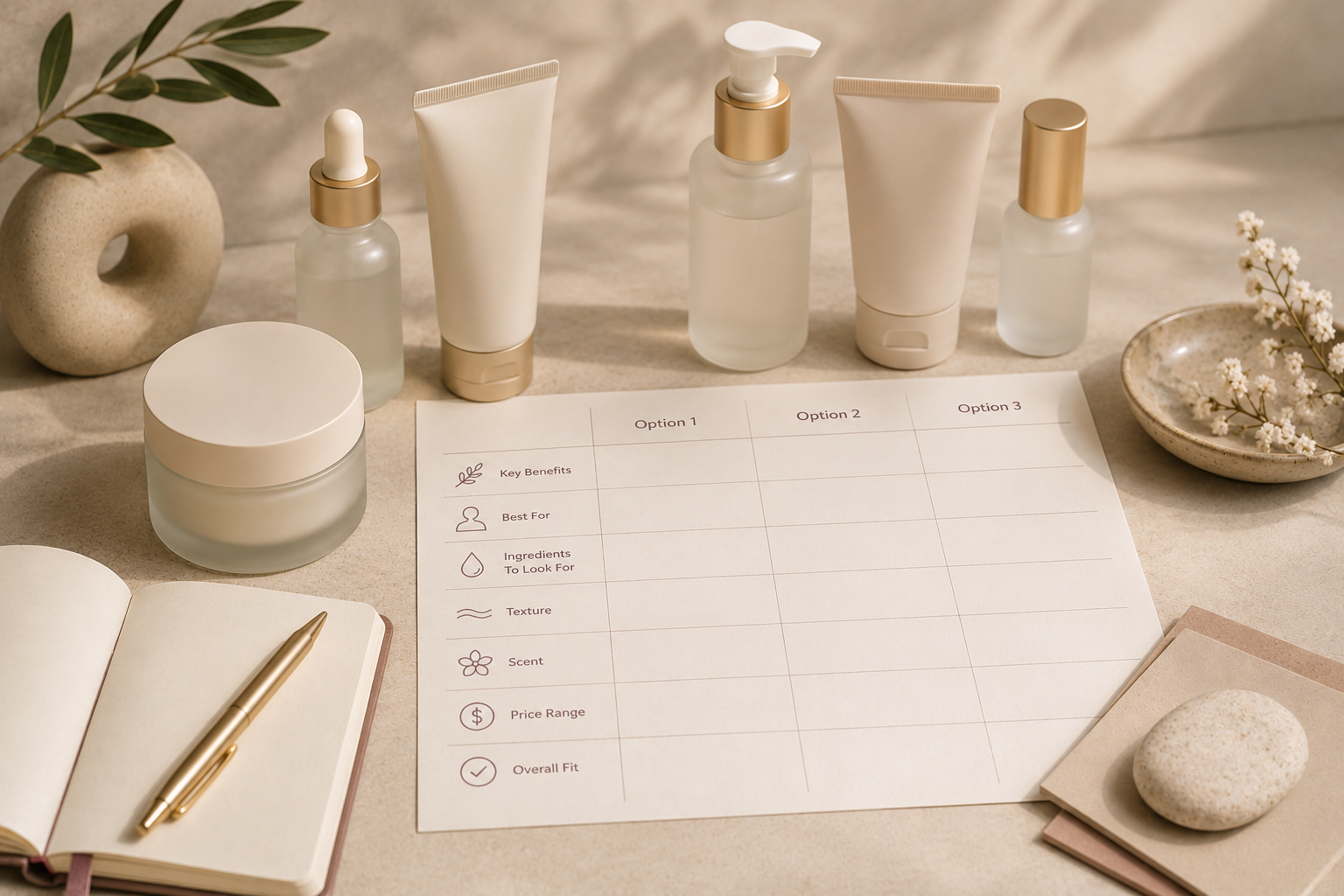
A helpful comparison often comes down to a short set of questions: How rich does it feel, how does it sit on the skin, and how well does it fit with the rest of the routine? If you can answer those, the decision is already clearer.
When the differences still feel small, the routine may not need another moisturizer category at all.
- Ask what finish you want most.
- Compare comfort across the full routine.
- Skip extra formulas when the difference is minor.
Frequently Asked Questions
What is the easiest way to compare moisturizer textures?
Compare feel, finish, and how easily the moisturizer layers with the rest of your routine.
Do I need different moisturizer textures for different times of day?
Not always, but some readers prefer different finishes depending on how the rest of the routine is structured.
When should I choose a richer texture?
A richer texture may feel more suitable when comfort, finish, or routine timing makes that kind of support more appealing.
Next Step
Next step: Compare product roles more calmly.