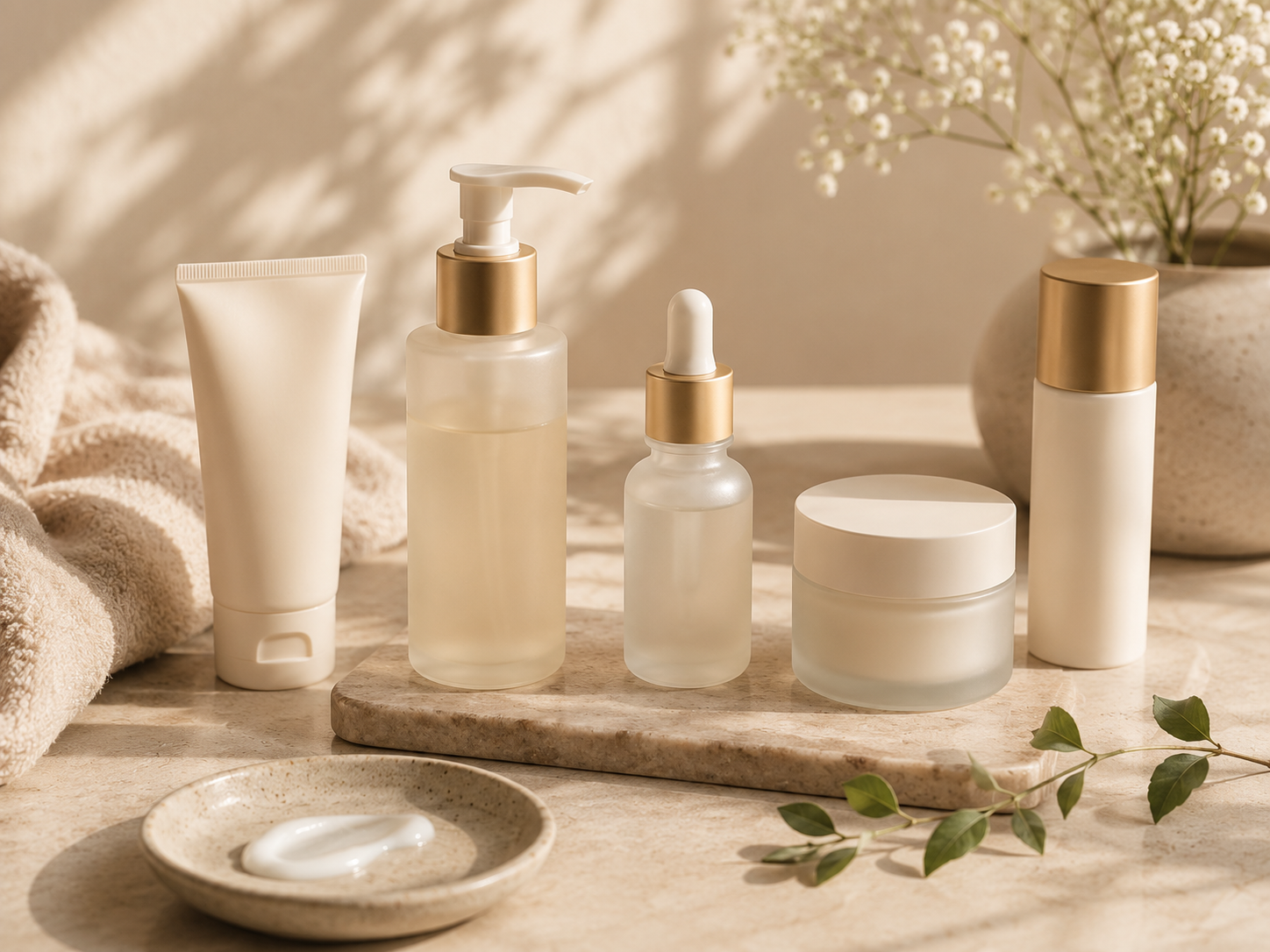
Compare cleanser textures, finishes, and routine fit so choosing a cleanser feels clear rather than corrective or harsh.
Use this guide as a calm starting point for comparing options, building a routine that fits your preferences, and shopping with clear expectations.
Guide at a glance
How to use this guide.
Who this is for
Readers comparing skincare options through a practical routine guide with comfort, fit, and everyday use in mind.
What this covers
This guide highlights the key decisions, routine context, and practical considerations that can help you choose with confidence.
Reader note
Use the ideas here as educational guidance and choose products based on your comfort, needs, and label instructions.
Common mistakes
- Treating one routine idea as a universal answer for everyone.
- Adding too many steps before understanding what each product is meant to do.
- Overlooking comfort, consistency, and label directions when comparing options.
Start with how cleansing should feel
A cleanser does not need to create a stripped feeling to seem effective. For many readers, the better question is whether the skin feels reset enough for the next step while still staying comfortable.
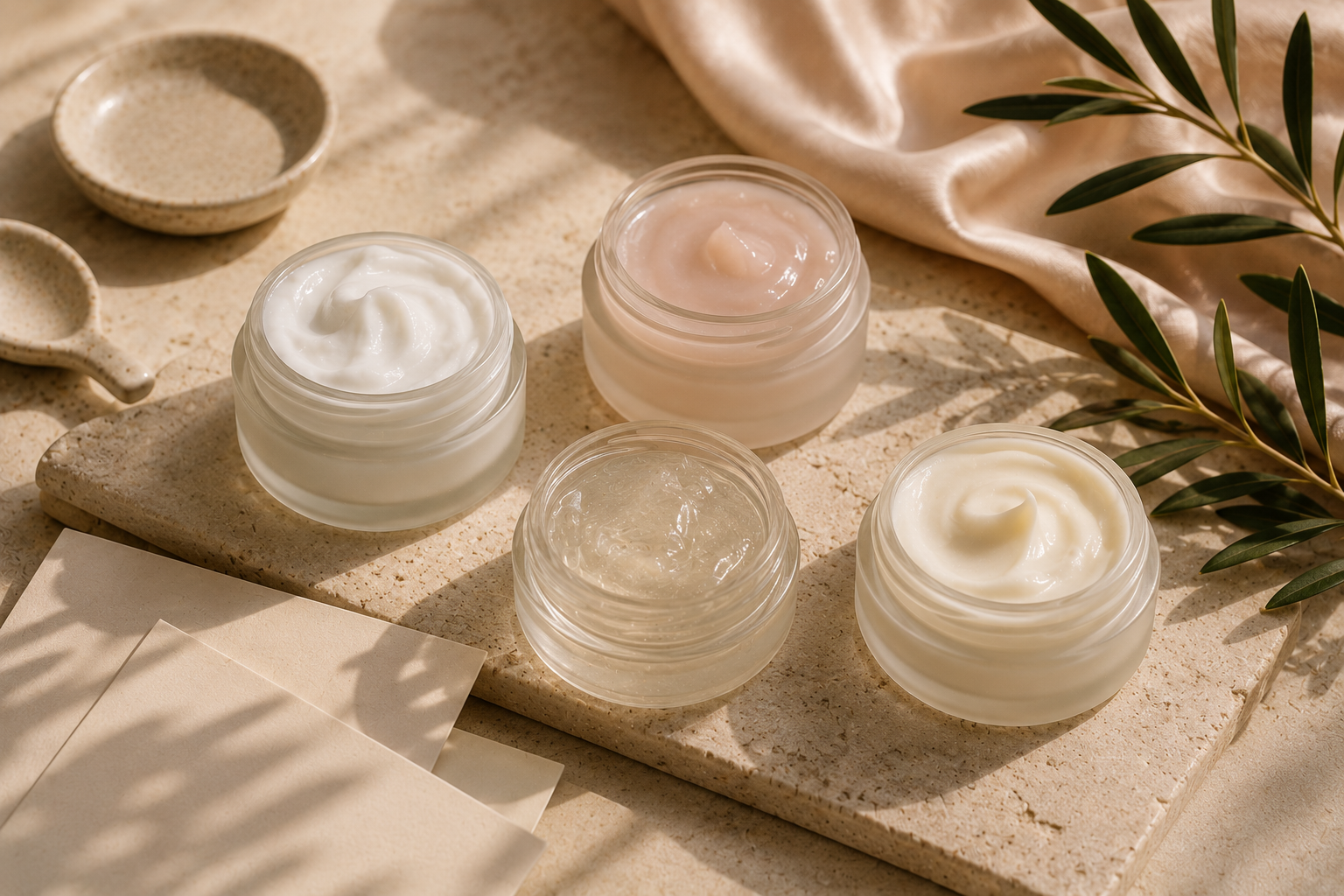
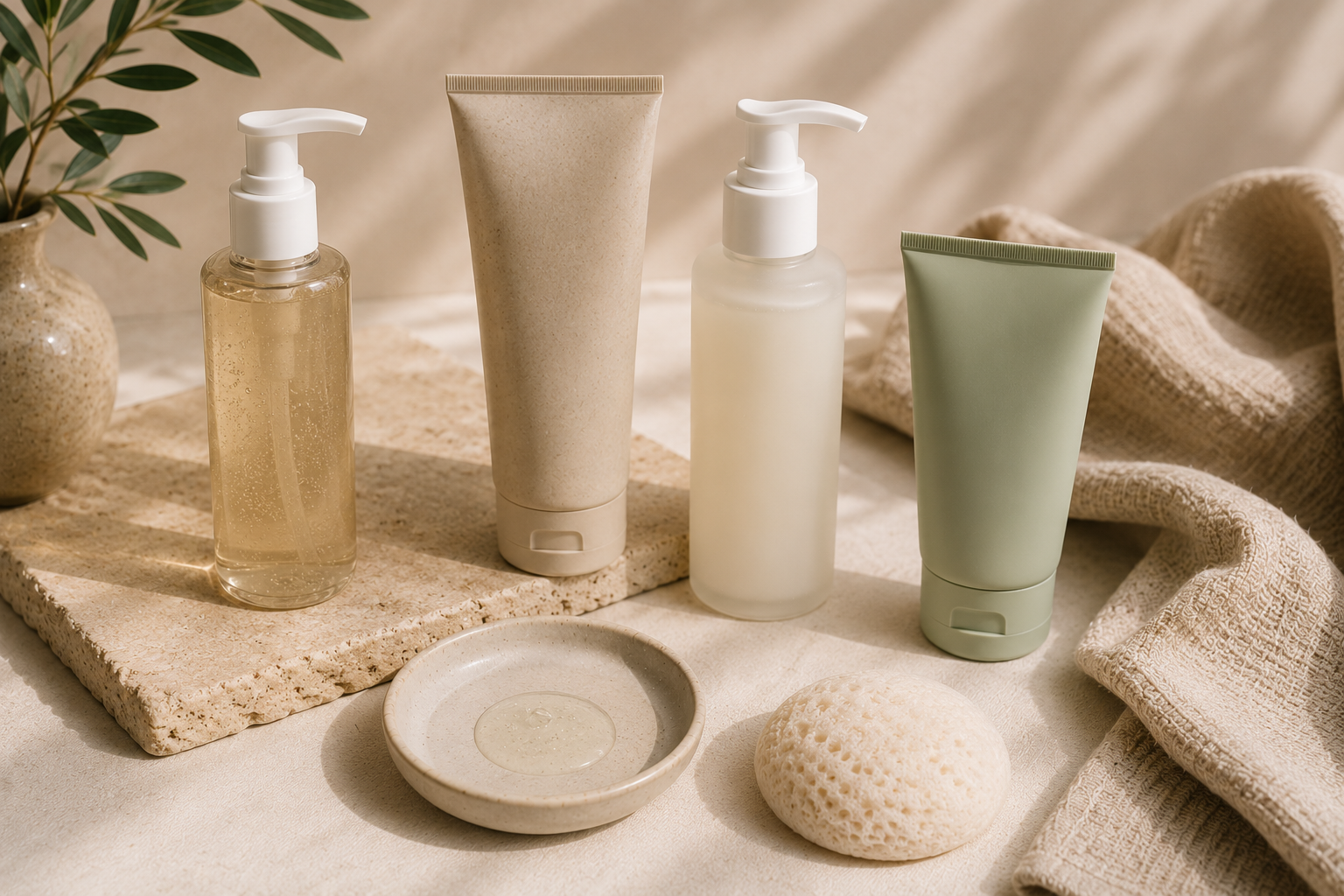
Texture often guides that experience. Gel, cream, milk, balm, and foam formats can feel very different even when they all belong to the same category.
- Compare how the skin feels after rinsing.
- Notice comfort before dramatic claims.
- Match cleanser feel to how often you will use it.
Use routine fit as the deciding factor
The right cleanser is usually the one that works with the rest of the routine rather than dominating it. Morning and evening needs may differ, and climate or season can shift which texture feels most comfortable.
Routine fit also matters because cleansing is only one step. A formula that resets the skin without making later layers feel difficult can be easier to keep using.
- Compare morning and evening use separately if needed.
- Think about what comes after cleansing.
- Favor the texture that feels easiest to repeat.
Avoid choosing by category label alone
Words like gentle, balancing, or clarifying can sound useful without telling you much about finish or comfort. A more practical approach is to compare texture, rinse feel, and the place the cleanser will hold in the routine.
That creates a calmer decision and leaves less room for exaggerated product language.
- Use label language as a clue, not the full answer.
- Let finish and comfort guide the final choice.
- Keep the cleanser aligned with the rest of the routine.
Frequently Asked Questions
How do I know if a cleanser is too harsh for me?
If the skin feels tight or uncomfortable after cleansing, the finish may not suit your preferred routine feel.
Should morning and evening cleansers be different?
They can be, but they do not have to be. Some readers like one dependable cleanser, while others prefer a lighter feel at one time of day.
What matters most when comparing cleansers?
Texture, rinse feel, and how easily the cleanser supports the next step in your routine usually matter more than category headlines.
Next Step
Next step: Start a calm morning routine.