
Fragrance discoveryPreference-led discoveryBegin with what feels comfortable and personally wearable. Clear comparison languageCompare scent direction, format, setting, and dry-down. Disclosure-ready guidanceCommercial context stays separate from editorial judgment.
Build a scent wardrobe that feels distinctly your own.
Compare scent families, fragrance formats, occasion fit, and the complete dry-down before deciding what deserves a place in your routine.
Start with your decision
Choose the fragrance question you need to answer.
A clear starting point turns browsing into a practical comparison rather than a search for one universally perfect scent.
01
Find my scent family
Explore fresh, floral, woody, amber, gourmand, musky, and aromatic directions.
Explore pathway →02Choose for an occasion
Compare quiet daily wear, shared spaces, evenings, celebrations, and travel.
Explore pathway →03Build a small wardrobe
Give each fragrance a clear everyday, quiet, expressive, or seasonal role.
Explore pathway →04Understand performance
Consider format, climate, application, skin, fabric, and personal perception.
Explore pathway →Scent-family discovery
Begin with the directions you naturally enjoy.
Family language describes sensory direction. It should not assign personality, confidence, attractiveness, or universal occasion rules.
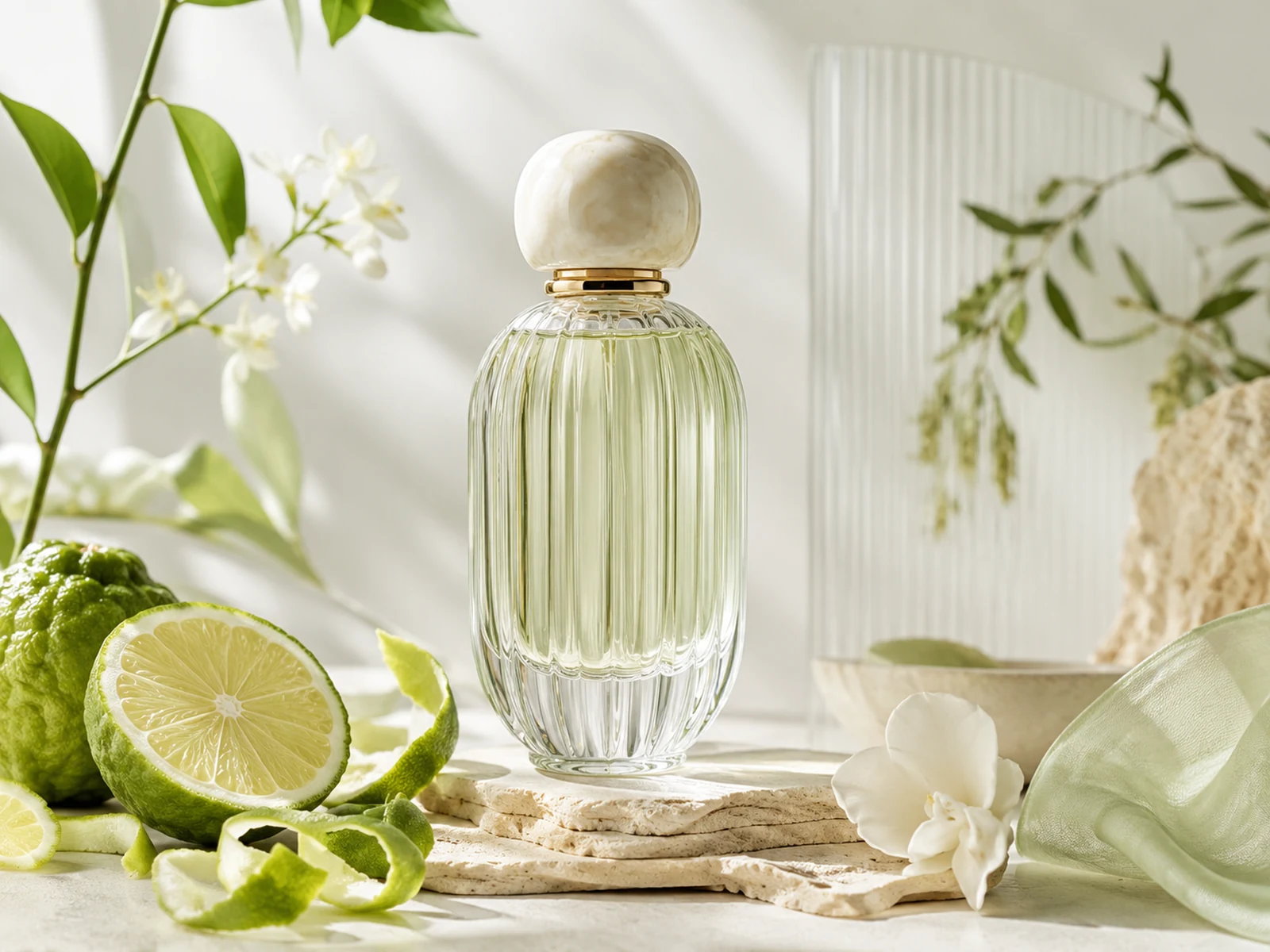
Fresh & citrus
Crisp, airy, green, aquatic, or sparkling impressions.
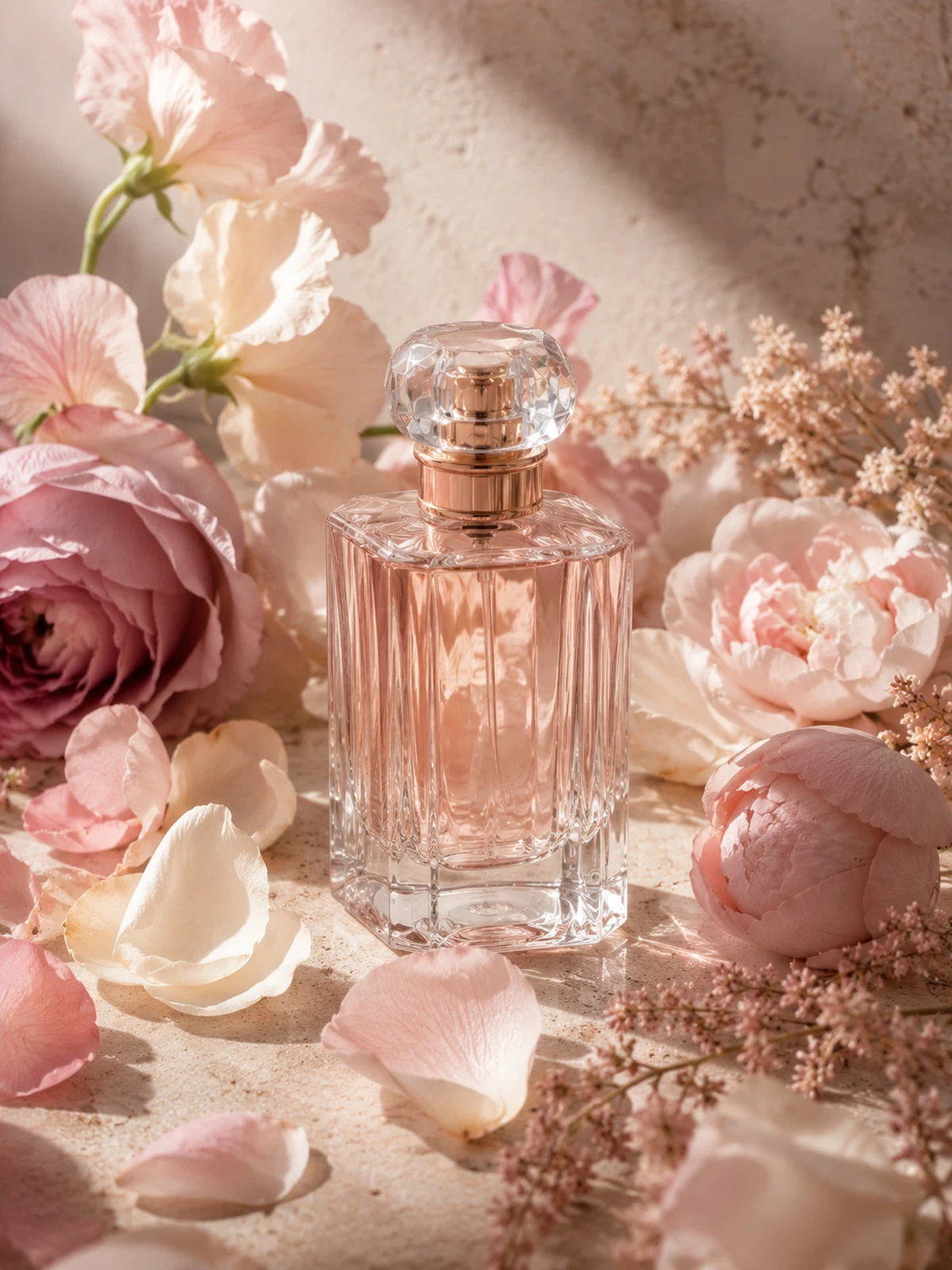
Floral
Sheer petals, luminous bouquets, creamy florals, or richer compositions.
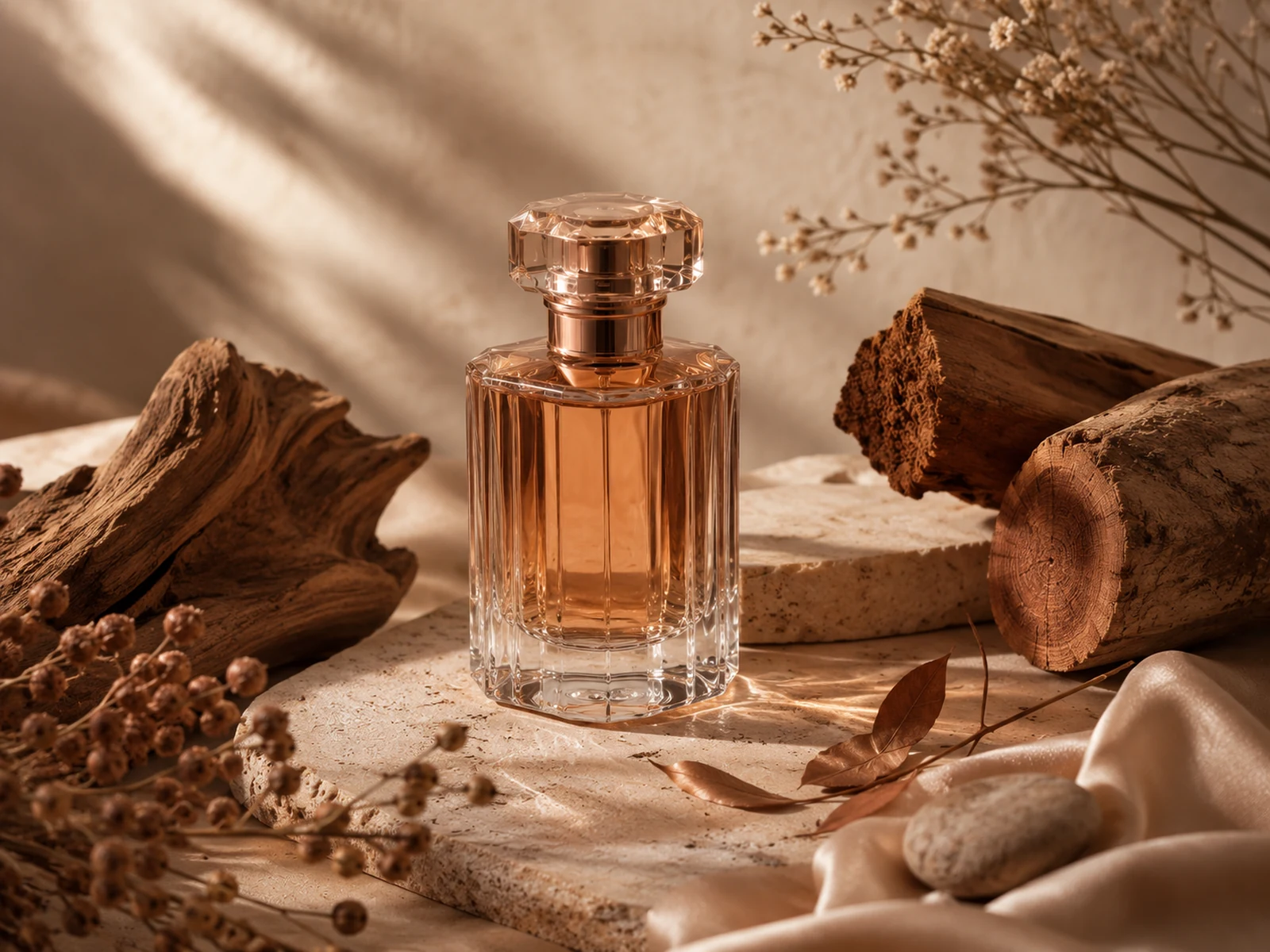
Woody
Dry, creamy, earthy, smoky, or polished directions.
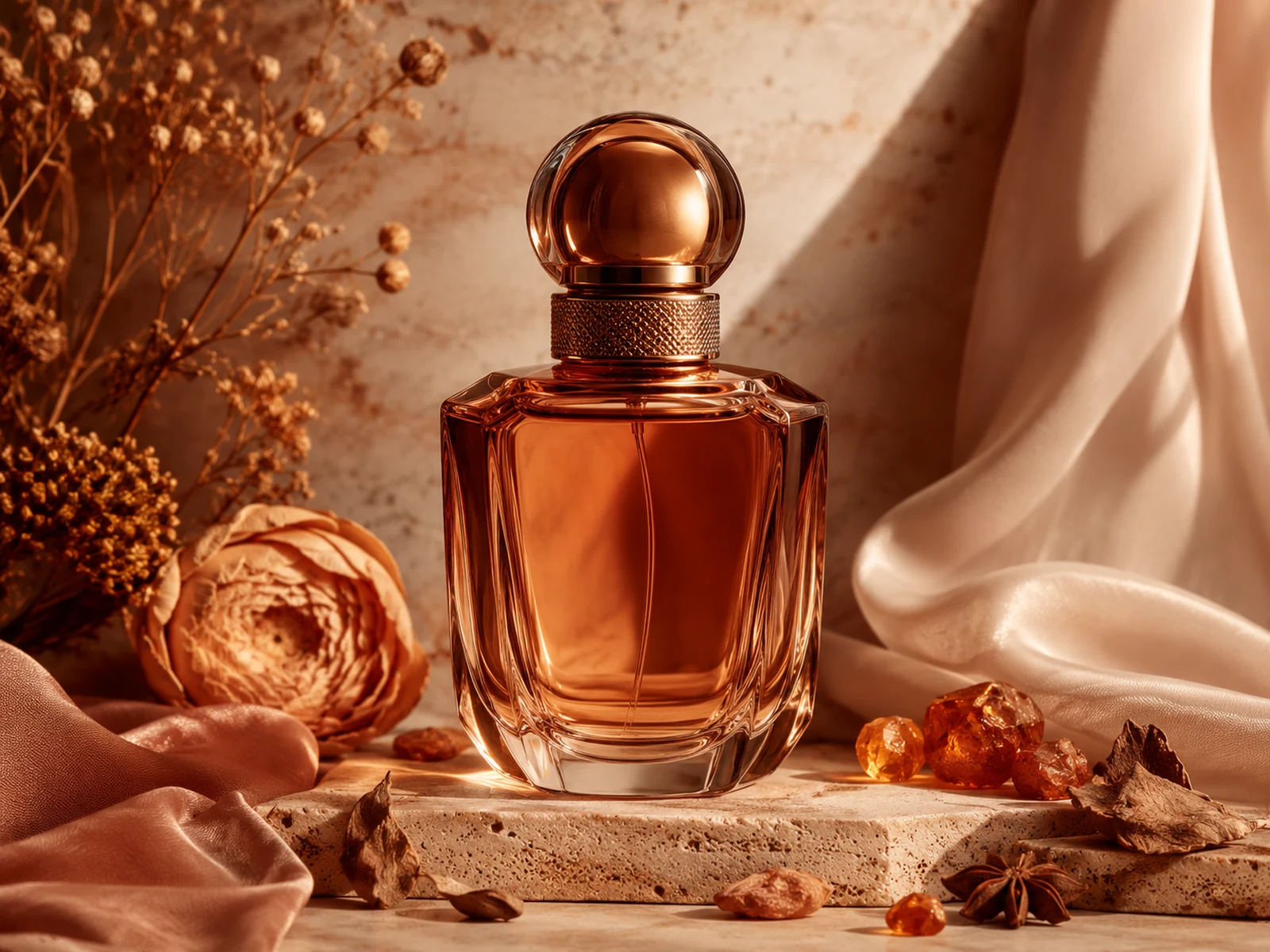
Amber & warm
Resinous, spiced, enveloping, or softly sweet impressions.
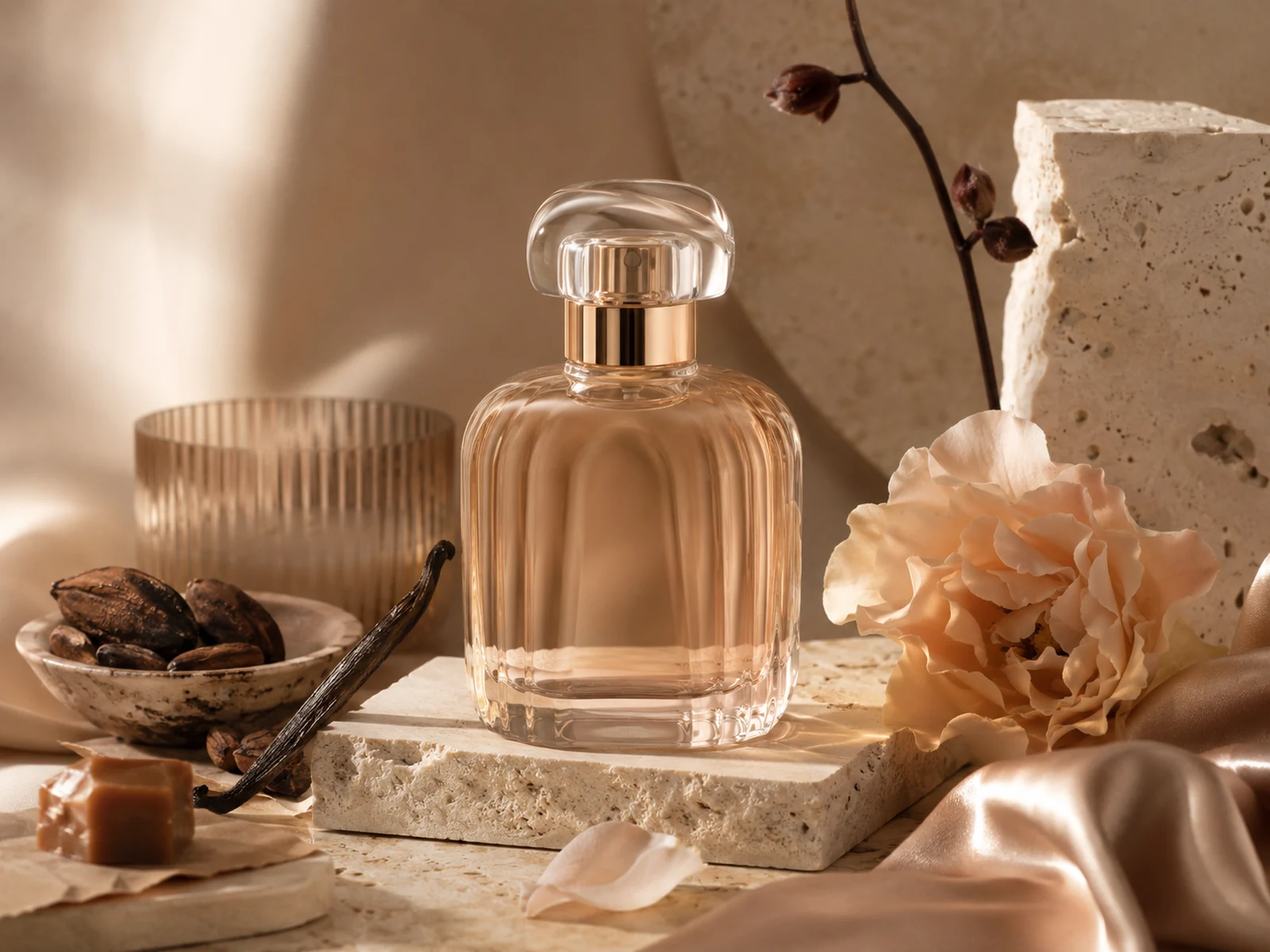
Gourmand
Vanilla-like, cocoa-like, creamy, or dessert-inspired directions.
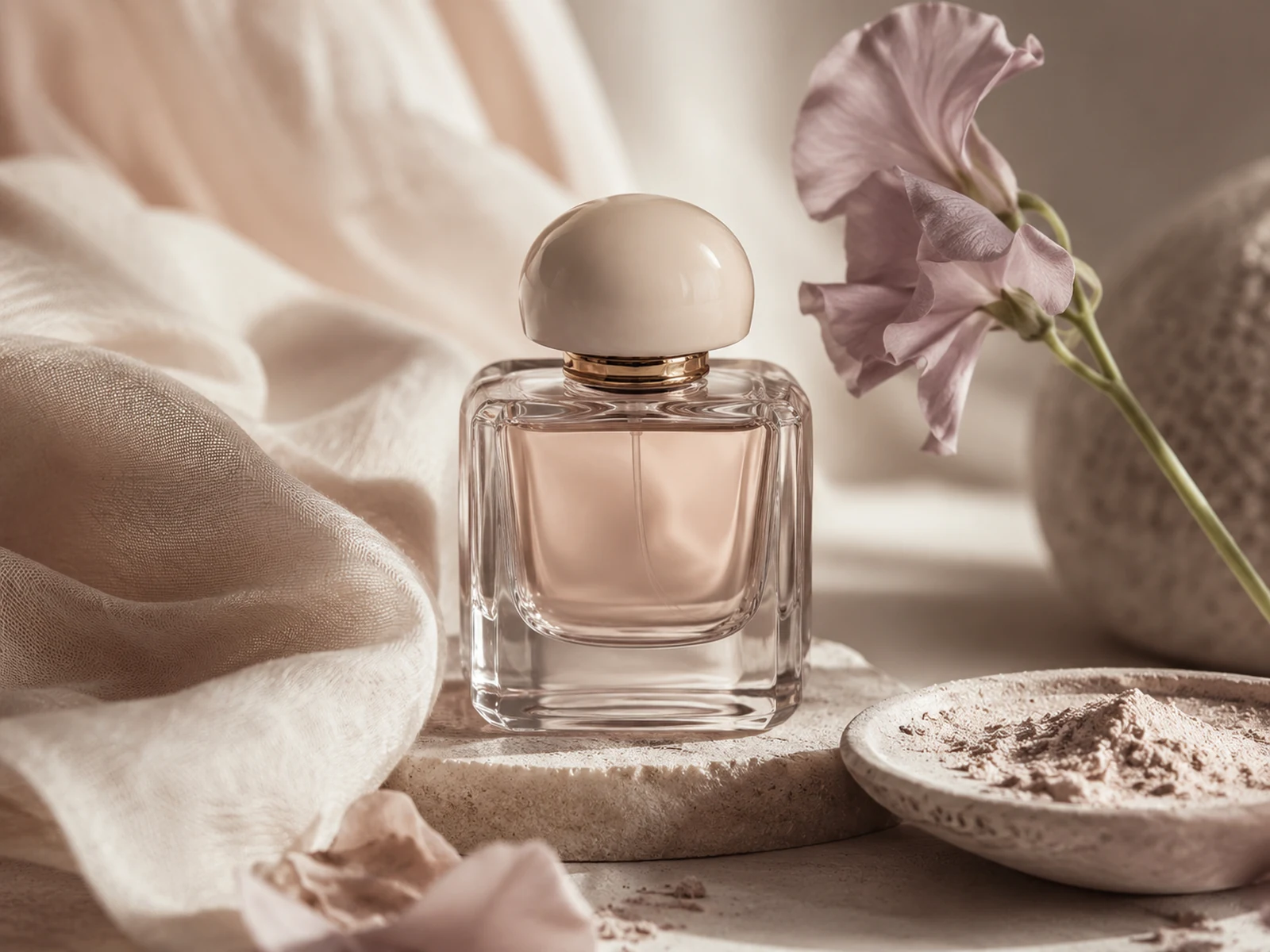
Musky & skin-like
Clean, soft, powdery, intimate, or fabric-like profiles.

Aromatic & green
Herbal, tea-like, leafy, botanical, or invigorating directions.
Wardrobe builder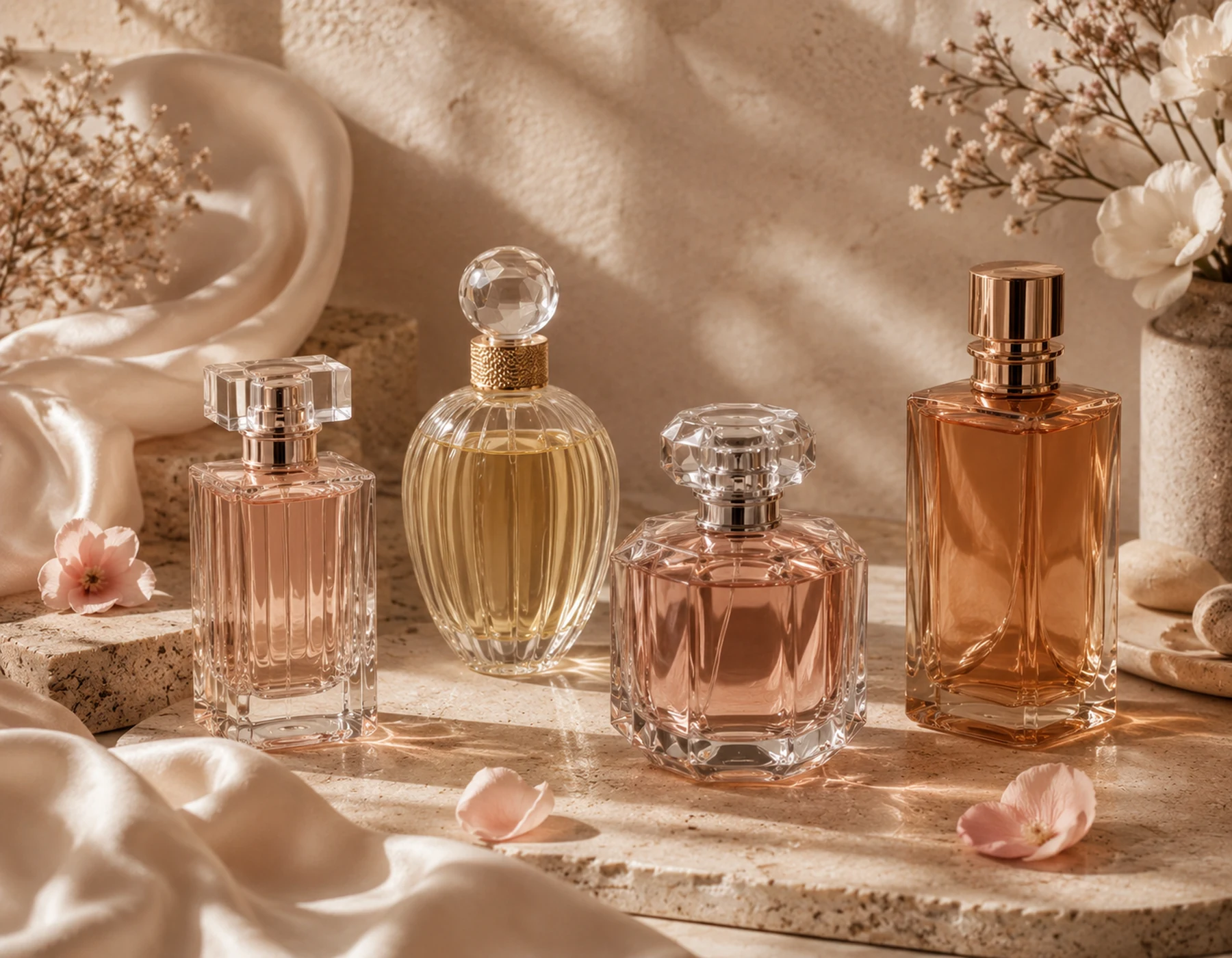
Build by role, not by quantity.
A fragrance collection does not need to be large. Each addition should serve a clear and useful purpose.
Selected wardrobe role
Begin with an easy everyday signature
Choose a direction you enjoy repeatedly and can wear comfortably in ordinary routines.
RepeatableComfortableVersatile
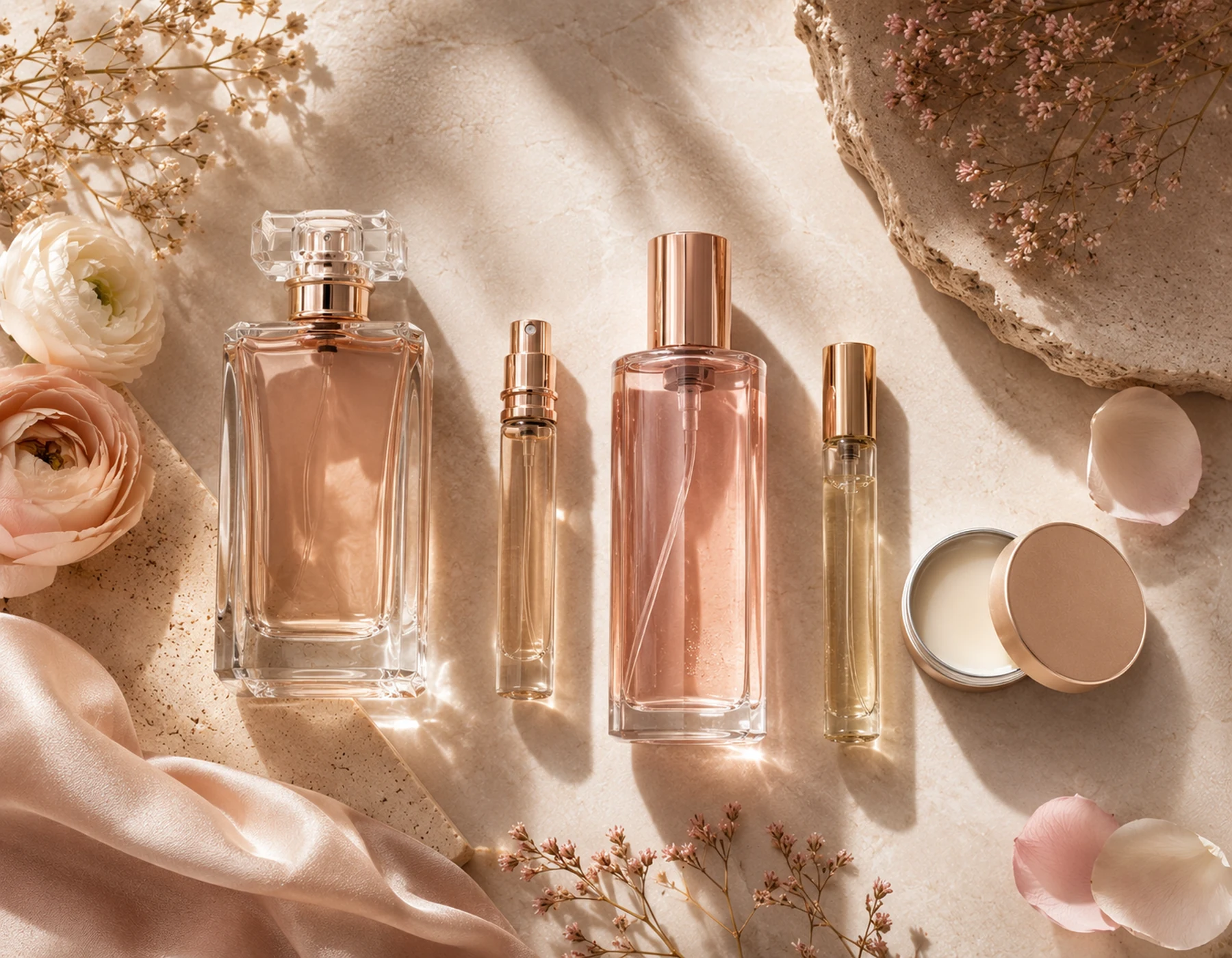
Formats & concentrationDeliberate wear Everyday or evening Casual rotation Easygoing use Travel or discreet use
Compare how a fragrance fits your routine.
Concentration is useful context, but it does not guarantee the same wear time, projection, or value across every composition and wearer.
Parfum or extrait
Compare application restraint, perceived intensity, bottle size, and price-per-use.
Eau de parfum
Consider versatility and the character of the complete dry-down rather than concentration alone.
Eau de toilette
Useful when you prefer a brighter-feeling application or a refresh-friendly routine.
Body mist
Compare application frequency, scent presence, affordability, and bottle practicality.
Oil or solid
Consider texture, application control, portability, and close-wearing character.
Read descriptions clearly
Understand notes, accords, and the full dry-down.
A note list is a map for exploration, not a literal recipe or a guarantee of what every person will perceive.
Notes
Individual scent references used to describe parts of a composition.
Accords
Combined impressions that may resemble linen, amber, tea, leather, or other familiar ideas.
Development
The way perception changes from initial application to the later settled character.
Opening
First impression
The brighter or more volatile character noticed soon after application.
Heart
Developing character
The composition becomes more rounded as the opening settles.
Dry-down
Settled experience
The later character that matters for comfort, context, and repeat wear.
Occasion & presence
Choose for the setting and the presence you enjoy.
Occasion and desired presence are separate decisions. Evening can still feel quiet, while daytime can still feel expressive.
Quiet daily wear
Comfortable, repeatable, and easy to reach for without demanding attention.
Subtle presenceProfessional or close settings
Consider application restraint, proximity, and the comfort of people around you.
Subtle to balancedDinner, events, and celebrations
Choose a richer or more distinctive direction only when it suits your comfort.
Balanced to expressivePortable, controlled use
Prioritize practical formats, secure packaging, and sensitivity to shared environments.
Context dependentTesting method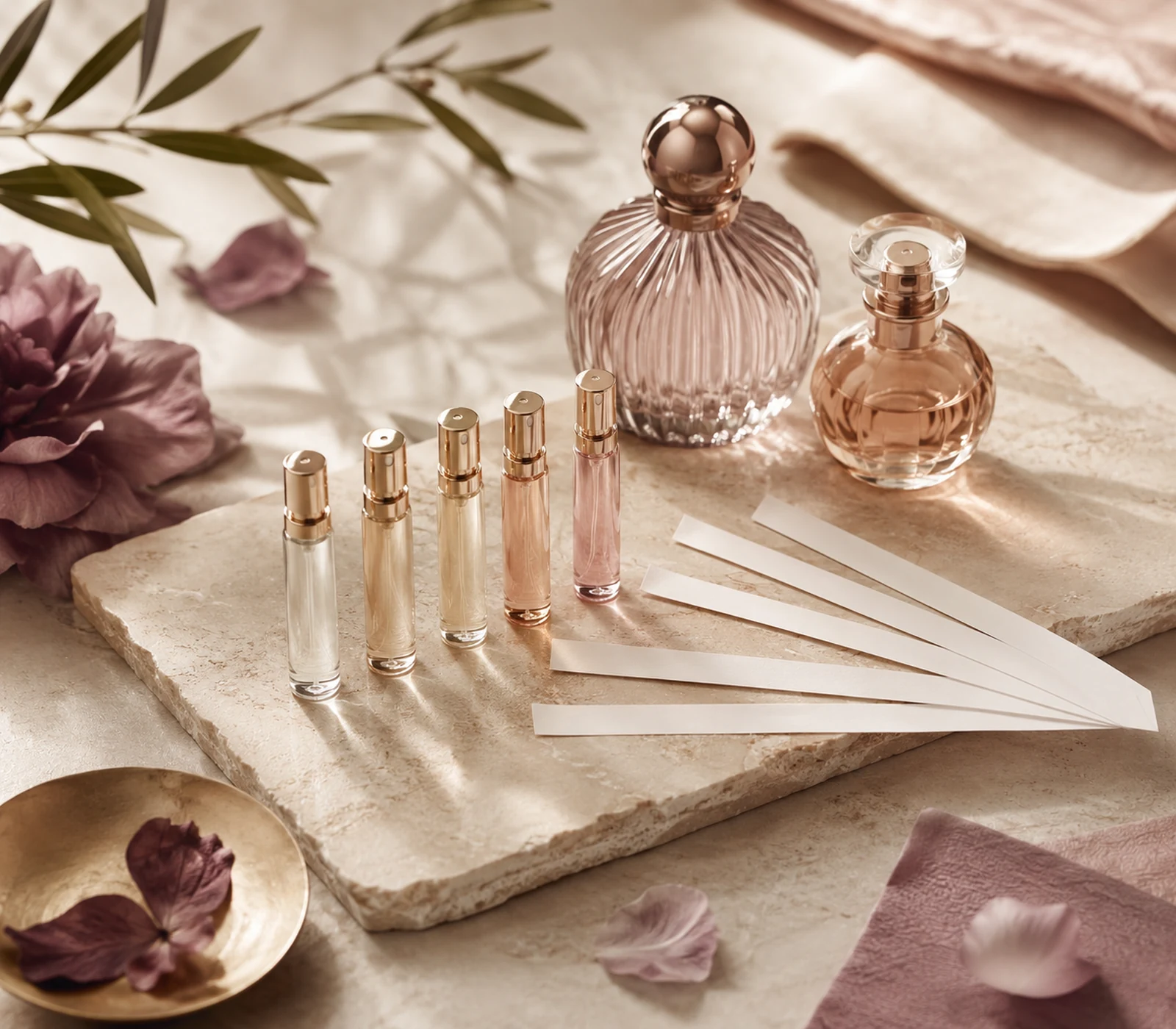
Test the full experience, not only the first spray.
Sampling reduces expensive mistakes and helps separate a beautiful opening from a fragrance you genuinely enjoy wearing.
Opening impressionLater dry-downPersonal comfortSetting compatibilityBottle usabilityPrice-per-use context
- 01Read the broad scent direction
Use family and format as an initial filter rather than a final verdict.
- 02Begin with a blotter or sample
Avoid committing to a full bottle from description alone when sampling is possible.
- 03Allow development
Give the fragrance time to move beyond its opening impression.
- 04Try it during a normal day
Notice comfort, setting fit, application habits, and whether you still enjoy it later.
- 05Confirm a genuine wardrobe role
Choose it when the scent fills a useful role, not only because it is new.
Featured guides
Browse all beauty guides →Continue from scent clarity into careful comparison.
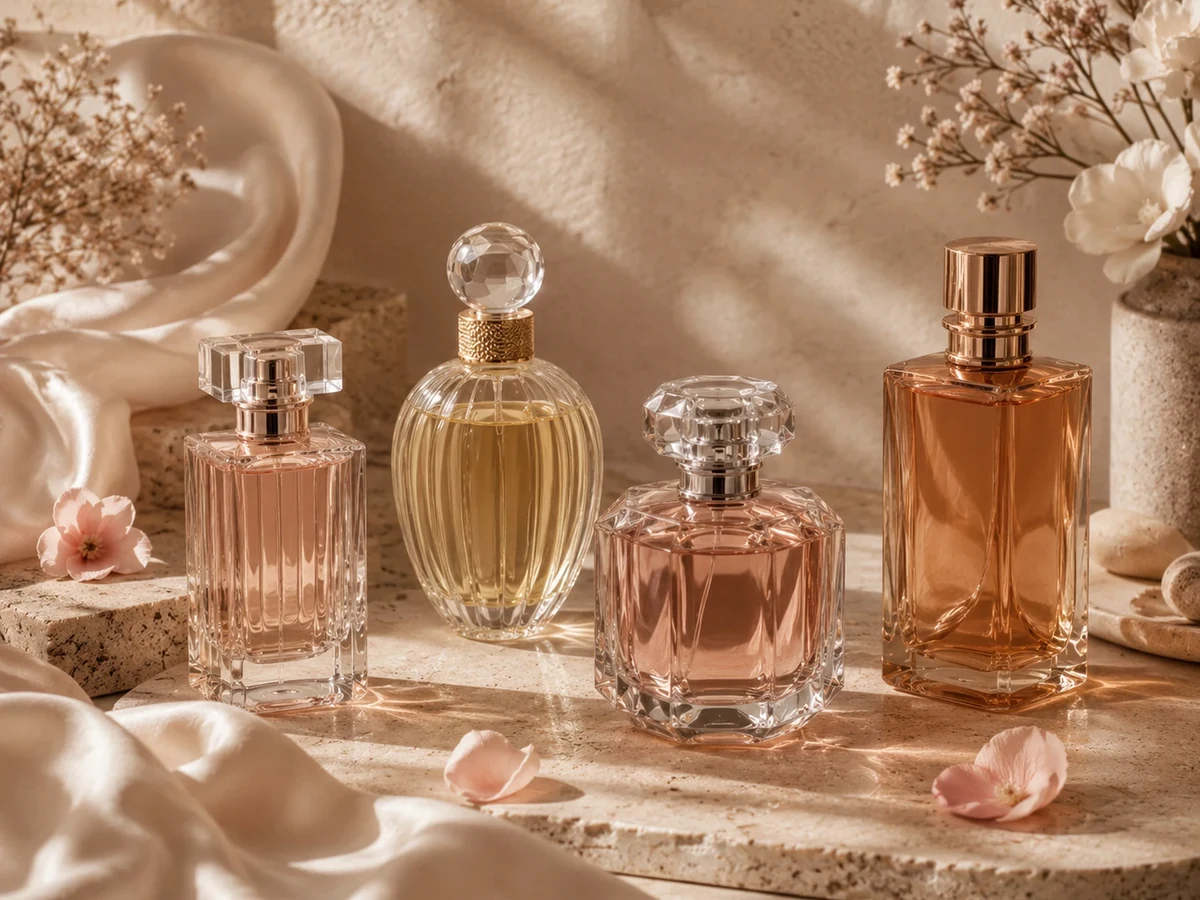
Fragrance wardrobe6 min read
Build a small fragrance wardrobe with clear roles.
Plan one daily scent, one quieter option, and an expressive addition without crowding the shelf.
Read the guide →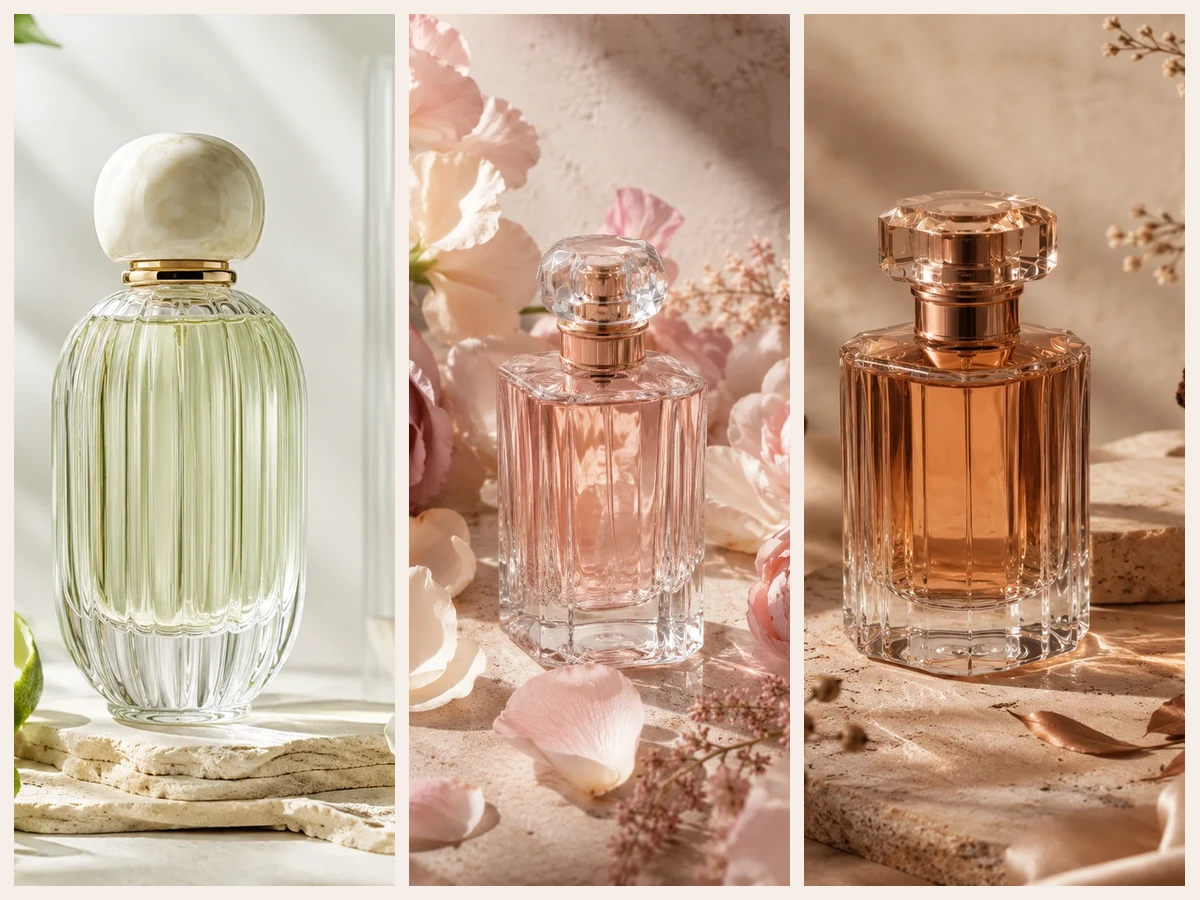
Scent families6 min read
Identify the scent directions you naturally enjoy.
Use sensory vocabulary to narrow exploration without rigid labels or personality stereotypes.
Read the guide →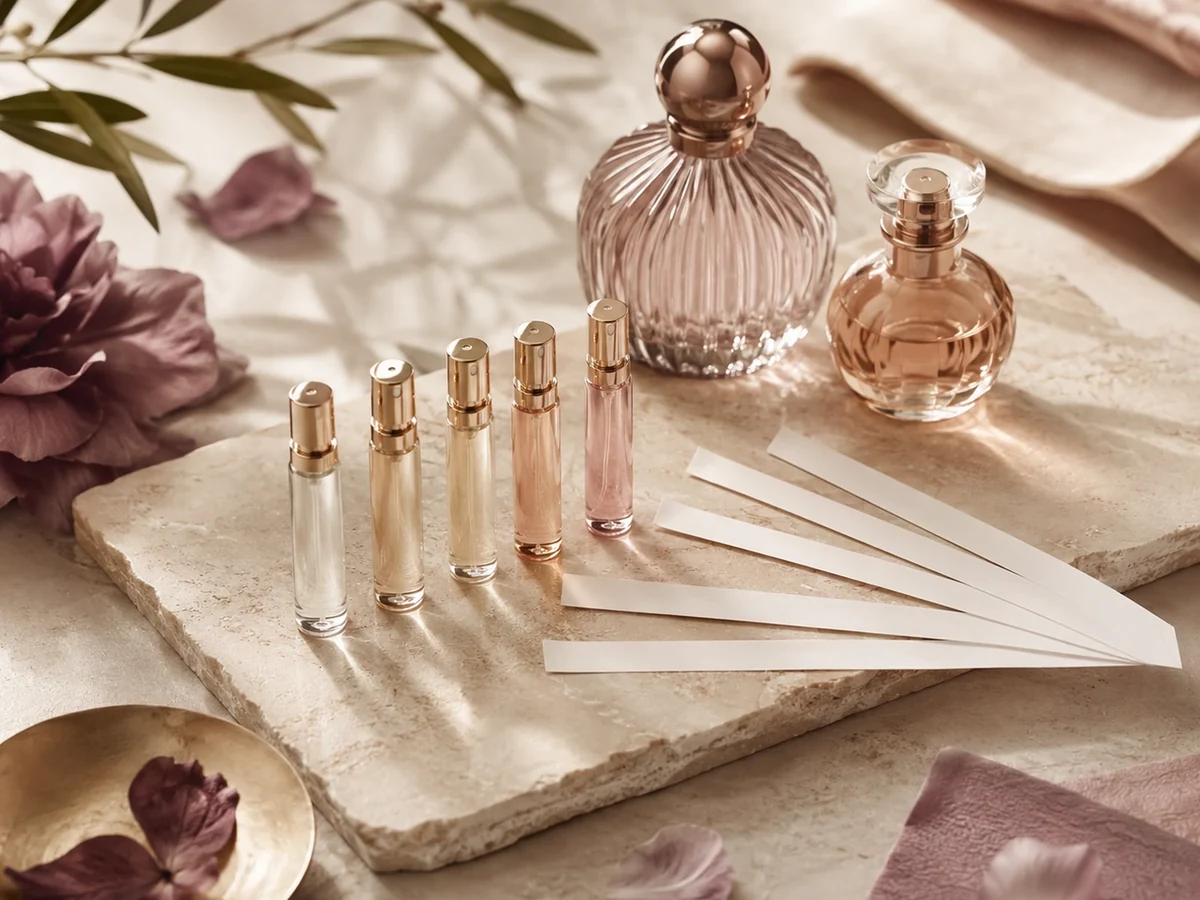
Testing4 min read
Sample before committing to a full bottle.
Compare the opening, development, dry-down, setting fit, and personal comfort.
Read the guide →
Buyer confidence
What to compare before choosing a fragrance.
Use practical fit and value signals instead of hype, urgency, fake ratings, or universal claims.
Scent-family preference
Intended wardrobe role
Desired presence
Format and concentration
Full dry-down comfort
Sample availability
Bottle size and likely usage
Price-per-use context
Fragrance trust standard
Personal preference first. Performance claims second.
Fragrance guidance should help visitors compare with more clarity without pretending that scent behaves identically for every person.
Read Affiliate DisclosurePreference-led recommendations
Describe scent character, context, format, and usability rather than universal judgments.
Careful performance language
Avoid guaranteed longevity, projection, compliments, attraction, or emotional-result claims.
Transparent commercial context
Affiliate relationships must be disclosed and must not determine favorable editorial treatment.
Your next step
Turn fragrance discovery into an intentional wardrobe.
Begin with one scent direction, define the role it should serve, sample the complete development, and compare only after those decisions are clear.