Compare beauty products by role, texture, finish, and routine fit so shopping feels structured instead of noisy.
Use this guide as a calm starting point for comparing options, building a routine that fits your preferences, and shopping with clear expectations.
Guide at a glance
How to use this guide.
Who this is for
Readers comparing product guides options through a practical product comparison with comfort, fit, and everyday use in mind.
What this covers
This guide highlights the key decisions, routine context, and practical considerations that can help you choose with confidence.
Reader note
Use the ideas here as educational guidance and choose products based on your comfort, needs, and label instructions.
Common mistakes
- Treating one routine idea as a universal answer for everyone.
- Adding too many steps before understanding what each product is meant to do.
- Overlooking comfort, consistency, and label directions when comparing options.
Compare role before style
The easiest way to compare beauty products is to ask what each one is actually meant to do before asking which one seems more exciting. Two products can look similar in packaging or marketing and still belong to very different parts of a routine.
Once the role is clear, the rest of the comparison becomes more grounded. Texture, finish, amount, and routine placement become practical questions instead of sales cues.
- Name the role first.
- Check whether the products really belong in the same comparison.
- Pause when a product seems interesting but unnecessary.
Use feel and finish as comparison tools
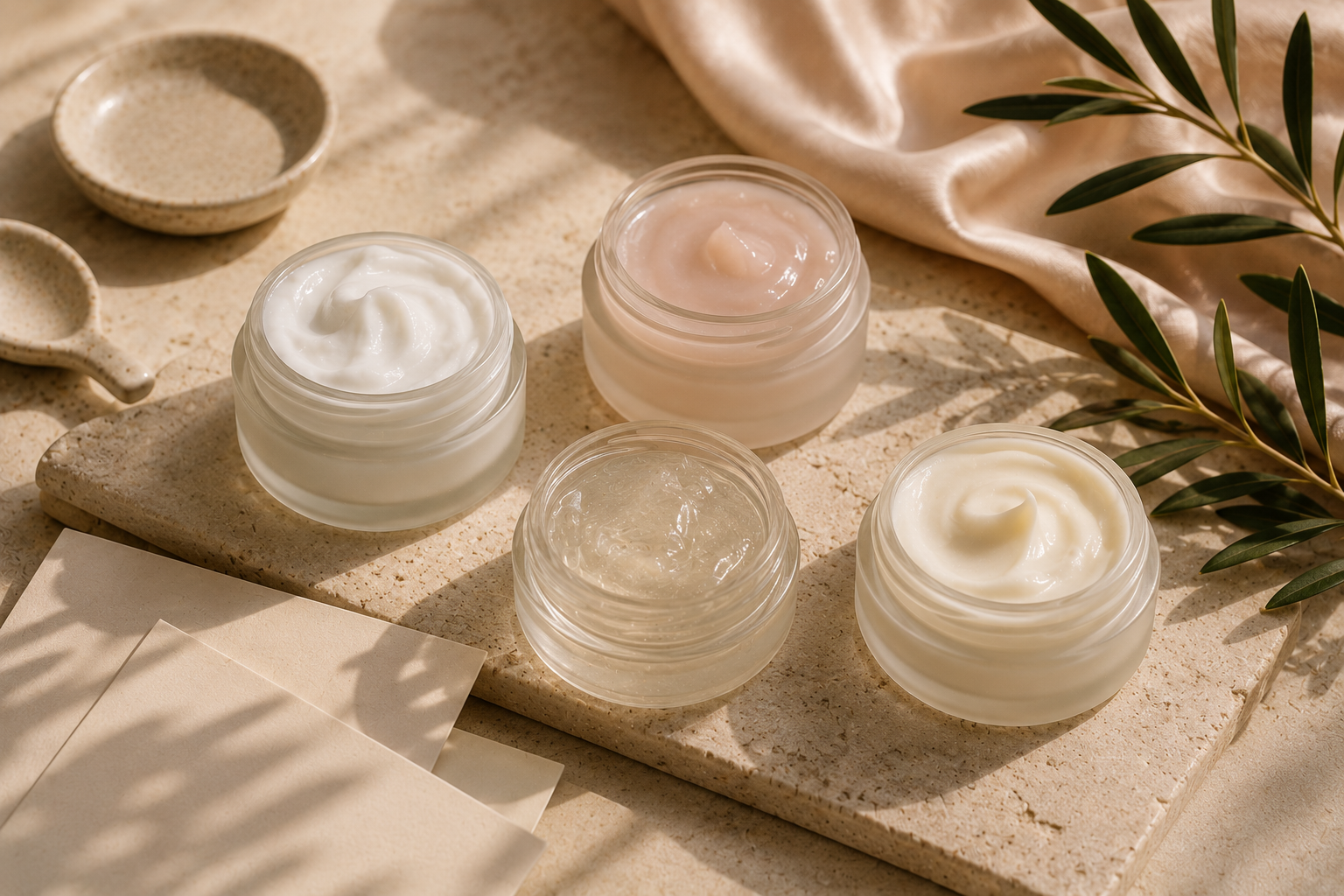
Texture can shape comfort, layering, and how likely you are to keep using something. Finish can affect how polished, soft, matte, rich, or lightweight the result feels in the rest of the routine.
These qualities are often more helpful than ranking products as universally better or worse. A product may be well suited for one routine and feel out of place in another.
- Compare how formulas may sit, spread, or layer.
- Notice which finish matches the rest of the routine.
- Choose by use case rather than pressure.
Reduce decision fatigue with a short checklist
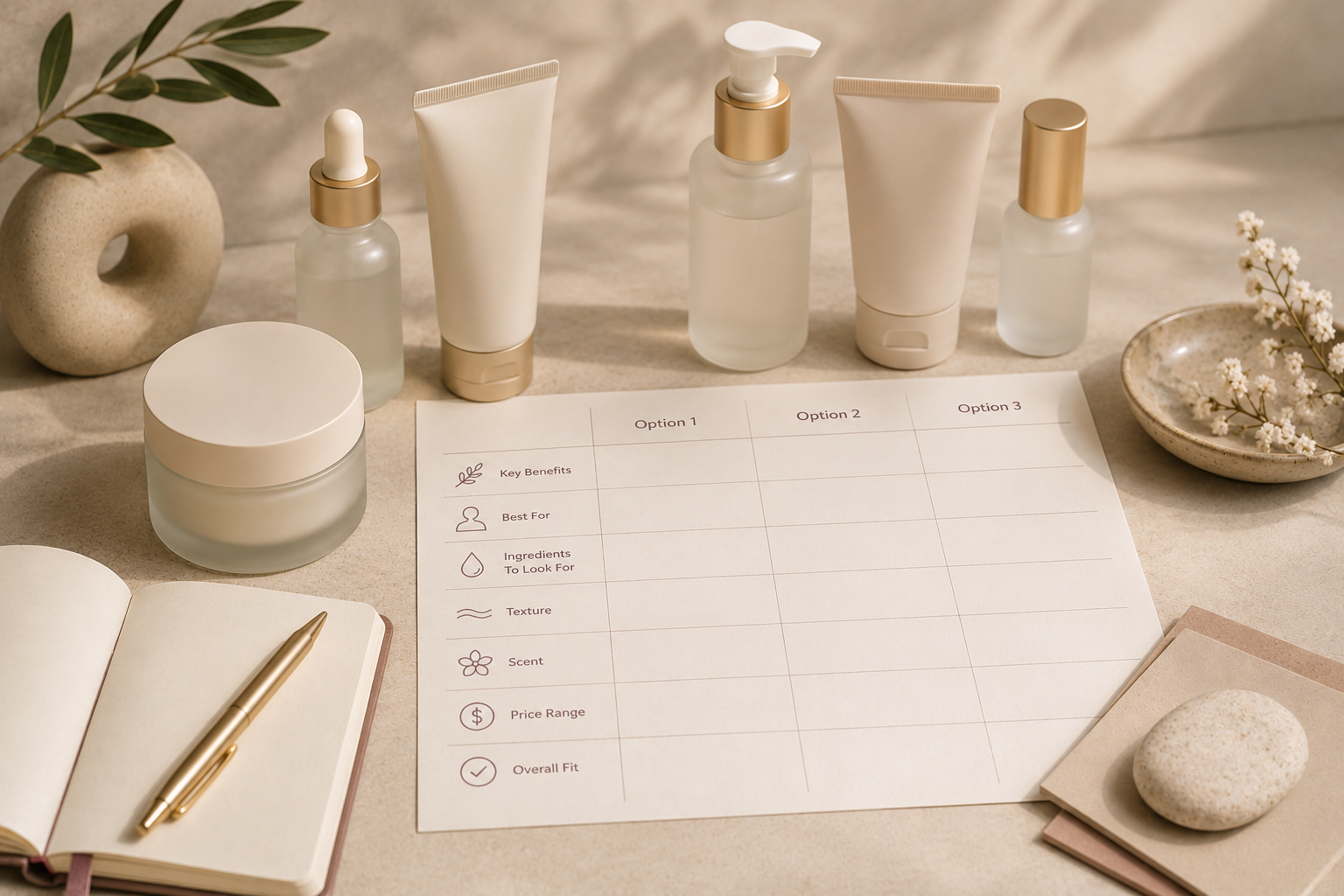
When everything starts to sound similar, return to a short comparison list: role, finish, frequency, and fit with the routine you already have. That is often enough to narrow the decision calmly.
If two products still feel interchangeable after that review, you may not need both. Simplicity can be a sign of clarity rather than compromise.
- Use the same comparison questions each time.
- Favor the option that integrates more easily.
- Skip categories that do not solve a real decision.
Frequently Asked Questions
What should I compare first when choosing between two products?
Start with role. If the products do not serve the same step or purpose, they may not be true alternatives.
Why do so many beauty products feel hard to compare?
Marketing language often sounds broader than routine reality. Comparing texture, finish, and routine placement usually creates more clarity.
How do I know when I do not need both products?
If both products create nearly the same effect in the same step, keeping the easier or more comfortable option is often enough.
Next Step
Next step: Compare moisturizer textures next.