Compare concealer and foundation by placement, coverage, finish, and routine fit so complexion decisions feel easier.
Use this guide as a calm starting point for comparing options, building a routine that fits your preferences, and shopping with clear expectations.
Guide at a glance
How to use this guide.
Who this is for
Readers comparing makeup options through a practical product comparison with comfort, fit, and everyday use in mind.
What this covers
This guide highlights the key decisions, routine context, and practical considerations that can help you choose with confidence.
Reader note
Use the ideas here as educational guidance and choose products based on your comfort, needs, and label instructions.
Common mistakes
- Treating one routine idea as a universal answer for everyone.
- Adding too many steps before understanding what each product is meant to do.
- Overlooking comfort, consistency, and label directions when comparing options.
Start with where the product is meant to go
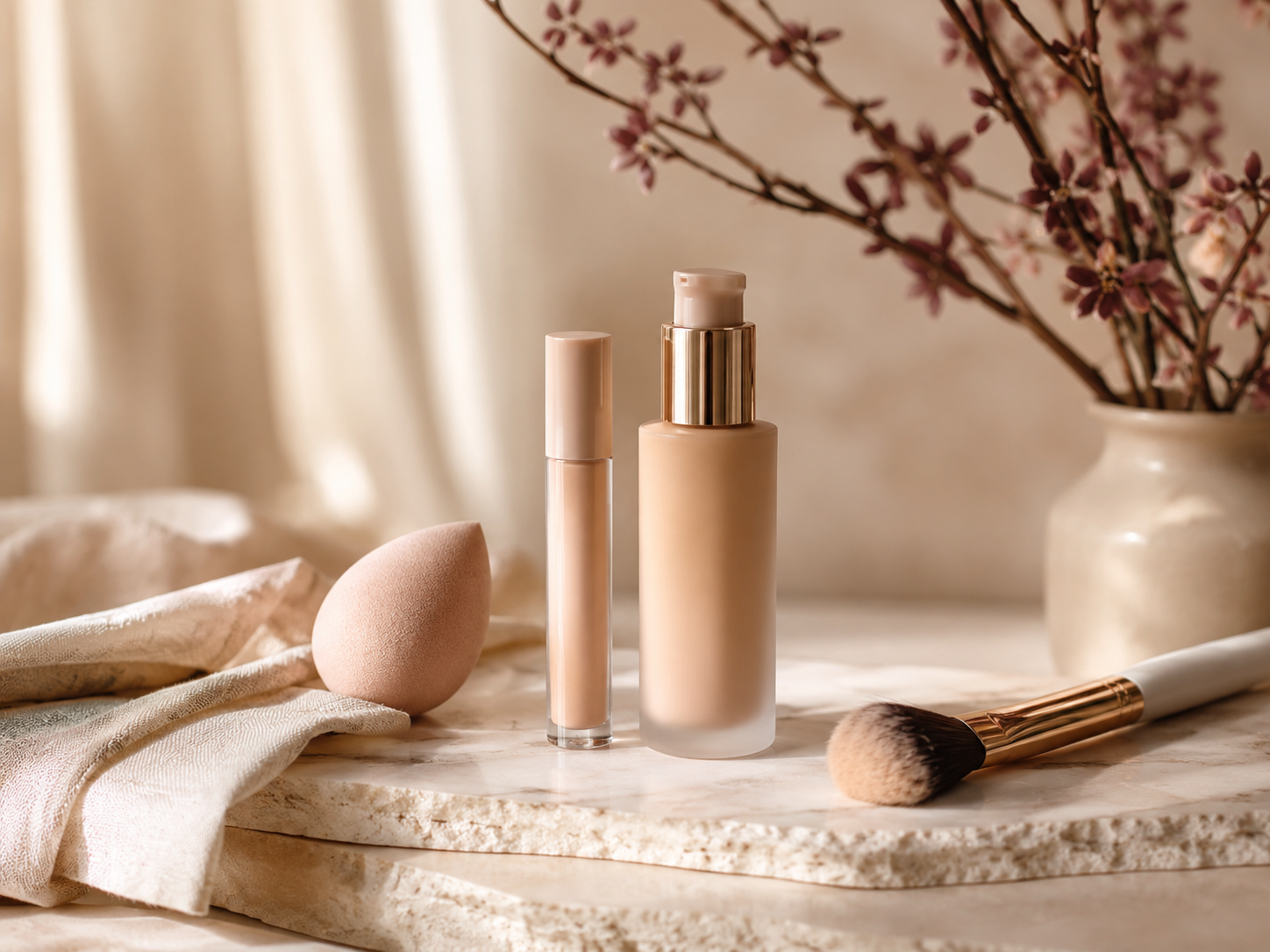
Concealer and foundation often overlap in conversation, but the comparison becomes much simpler when you think about placement first. One may be chosen for more targeted correction or brightness, while the other may be chosen for broader complexion coverage or overall finish.
That distinction can reduce a lot of shopping noise before coverage levels even enter the conversation.
- Ask whether you want targeted placement or an overall effect.
- Compare where the product will sit on the face.
- Use role clarity before buying both.
Compare finish and routine weight
The choice is not only about how much coverage you want. It is also about how polished, lightweight, soft, or layered you want the complexion routine to feel in the rest of the day.
For many readers, the more useful product is the one that achieves enough effect without making the routine feel heavier than necessary.
- Match finish to the rest of the makeup routine.
- Notice whether the product adds or reduces routine effort.
- Choose by practicality rather than pressure.
Keep the complexion routine edited
Some routines need both products, but many do not. If one complexion step already creates the finish you want, another step may only add time without adding enough value.
An edited complexion routine often feels more refined than a crowded one, especially for daily use.
- Look for the smallest useful combination.
- Pause before adding a second complexion step.
- Let everyday use decide what stays.
Frequently Asked Questions
Do I need both concealer and foundation?
Not always. Many routines work well with one complexion step, while others prefer both because each product has a different placement role.
What matters more: coverage or finish?
Both matter, but finish often shapes whether the product still feels right after several hours of normal wear.
How do I simplify complexion shopping?
Start by deciding whether you want targeted placement or an all-over complexion effect. That usually narrows the choice quickly.
Next Step
Next step: Build an everyday makeup routine.