Understand fragrance notes in plain language so scent families, sampling, and everyday wear feel easier to compare.
Use this guide as a calm starting point for comparing options, building a routine that fits your preferences, and shopping with clear expectations.
Guide at a glance
How to use this guide.
Who this is for
Readers comparing fragrance options through a practical beginner essentials with comfort, fit, and everyday use in mind.
What this covers
This guide highlights the key decisions, routine context, and practical considerations that can help you choose with confidence.
Reader note
Use the ideas here as educational guidance and choose products based on your comfort, needs, and label instructions.
Common mistakes
- Treating one routine idea as a universal answer for everyone.
- Adding too many steps before understanding what each product is meant to do.
- Overlooking comfort, consistency, and label directions when comparing options.
Think of notes as timing
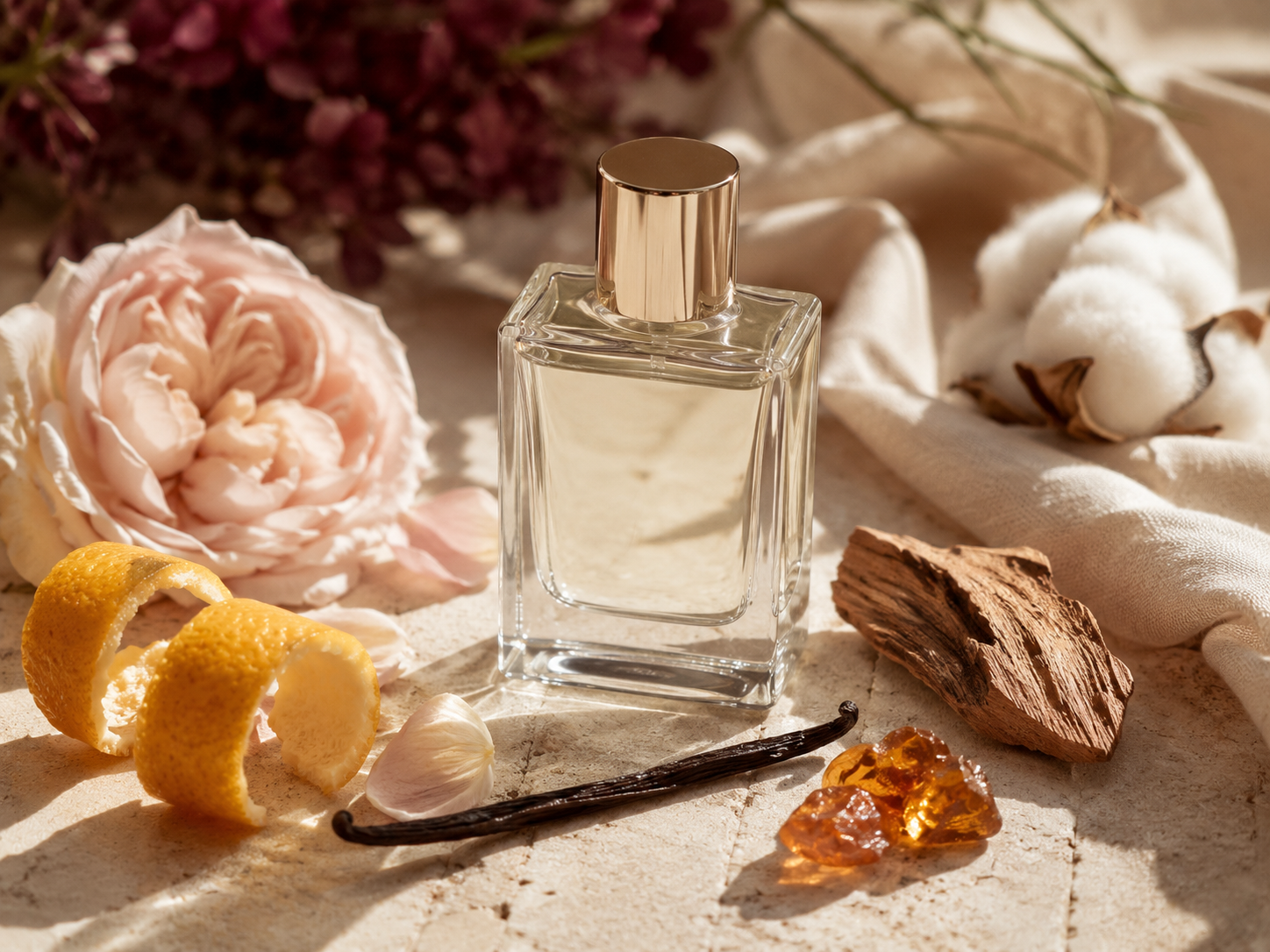
Fragrance notes become easier to understand when you treat them as a way of describing timing rather than mystery. Top notes describe the opening impression, heart notes shape the core personality, and base notes often shape how the scent settles.
That framing makes sampling more practical because it gives readers a clear reason to keep wearing a fragrance beyond the first moment.
- Top notes introduce the scent quickly.
- Heart notes often define the main character.
- Base notes often shape the final trail and depth.
Use notes to compare wear, not to chase expertise
You do not need to name every detail in a fragrance to use notes well. The more useful skill is noticing how the scent changes over time and whether that change suits the role you want it to play.
Notes help with comparison because they explain movement, not because they turn fragrance into a technical exam.
- Smell again after the opening settles.
- Notice what stays close and what fades quickly.
- Use notes to compare mood and wear, not status.
Turn note knowledge into better decisions
Once note structure feels familiar, shopping becomes calmer. You can compare whether a scent opens too bright for your taste, settles into something softer, or becomes richer than you want for daytime use.
That knowledge often helps more than memorizing fragrance terminology without context.
- Use note shifts to judge occasion fit.
- Compare how scents behave, not only how they open.
- Keep a short vocabulary that feels natural to you.
Frequently Asked Questions
Do fragrance notes tell me exactly how a scent will feel?
Not exactly, but they help describe how a fragrance may change from the first spray to the later dry-down.
Why do top notes matter if they do not last the longest?
They shape the first impression and often determine whether you want to keep wearing the fragrance long enough to understand the rest of it.
How can notes help me shop better?
They help you compare how a scent opens, settles, and lingers, which often reveals whether it suits your preferred occasions and mood.
Next Step
Next step: Return to fragrance basics.