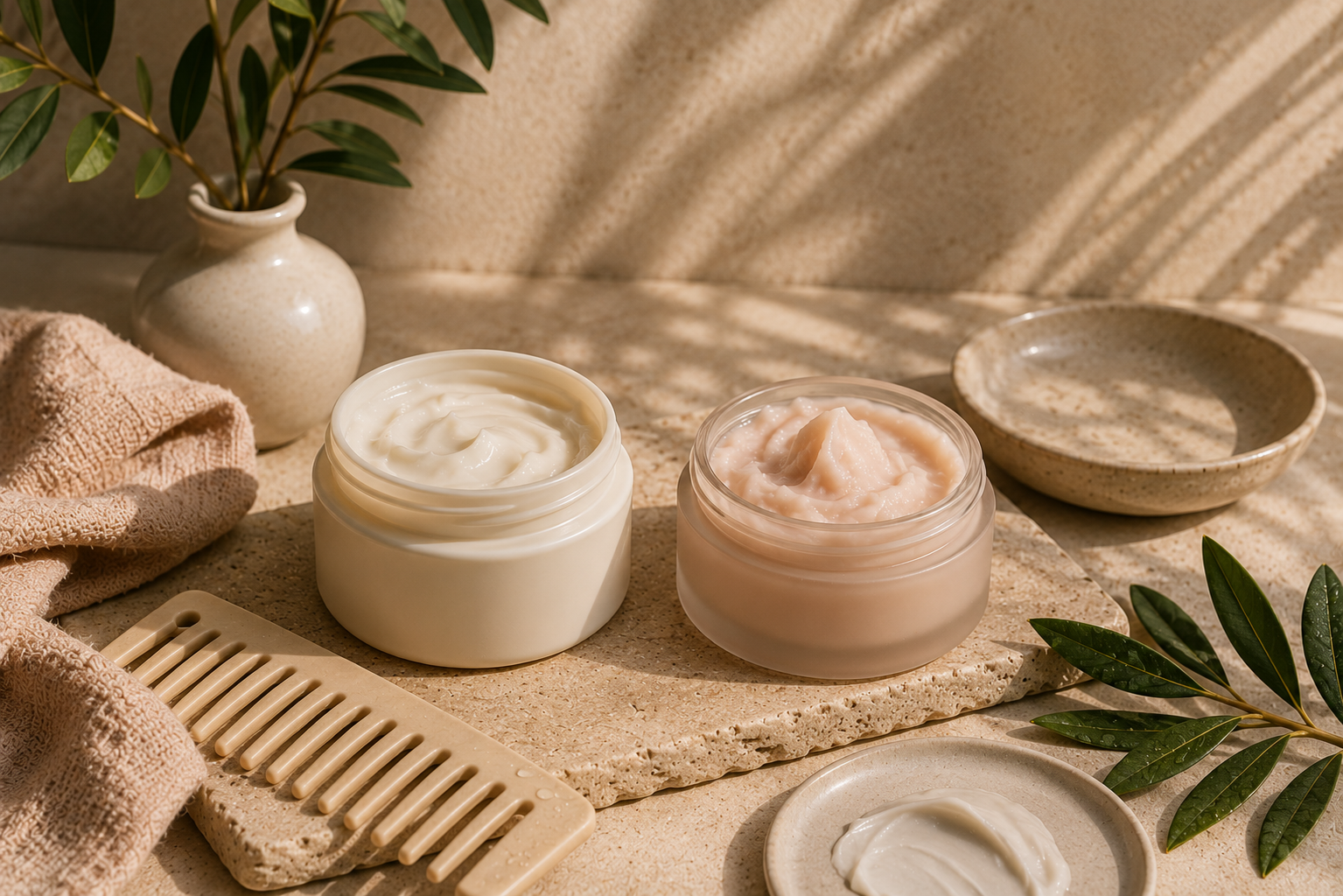
Compare conditioner and hair mask roles by feel, wash-day rhythm, and routine fit without promising repair or treatment.
Use this guide as a calm starting point for comparing options, building a routine that fits your preferences, and shopping with clear expectations.
Guide at a glance
How to use this guide.
Who this is for
Readers comparing hair care options through a practical product comparison with comfort, fit, and everyday use in mind.
What this covers
This guide highlights the key decisions, routine context, and practical considerations that can help you choose with confidence.
Reader note
Use the ideas here as educational guidance and choose products based on your comfort, needs, and label instructions.
Common mistakes
- Treating one routine idea as a universal answer for everyone.
- Adding too many steps before understanding what each product is meant to do.
- Overlooking comfort, consistency, and label directions when comparing options.
Start by separating the roles
Conditioner and hair mask can seem interchangeable when the routine is not yet clearly organized. In practice, readers often use them differently because the feel, timing, and richness they bring to wash day can vary.
A helpful comparison begins by asking what each step is meant to support rather than assuming one category replaces the other completely.
- Compare daily support versus occasional richness.
- Think about wash-day timing and effort.
- Choose by role, not status.
Compare by feel and frequency
The most practical difference may be how often the product feels right and how it changes the overall wash-day experience. A lighter support step and a richer support step do not always belong in the same frequency pattern.
This is where routine rhythm becomes more useful than dramatic promise language.
- Notice whether the hair feels easier to manage afterward.
- Check whether richness improves or complicates the routine.
- Use the option that supports the rhythm you can keep.
Keep the rest of the routine in view
A rich conditioning step may feel unnecessary if the rest of the routine already provides softness or finish. In other cases, a more substantial support step may feel worth the extra time because it reduces the need for additional products later.
The better comparison is the one that helps the routine feel clearer after the decision, not more crowded.
- Use later styling needs to inform the choice.
- Reduce overlap when several products offer similar softness.
- Choose the step that keeps wash day balanced.
Frequently Asked Questions
Do I need both conditioner and a hair mask?
Not always. Some routines work well with one dependable support step, while others benefit from using richer support less often.
How do I know if a hair mask is worth adding?
It is worth considering when it changes the feel of the routine in a clear, useful way without making wash day feel too heavy or complicated.
What is the easiest way to compare these two categories?
Compare how rich they feel, how often you want to use them, and whether they simplify or crowd the rest of your routine.
Next Step
Next step: Compare cleanse options too.