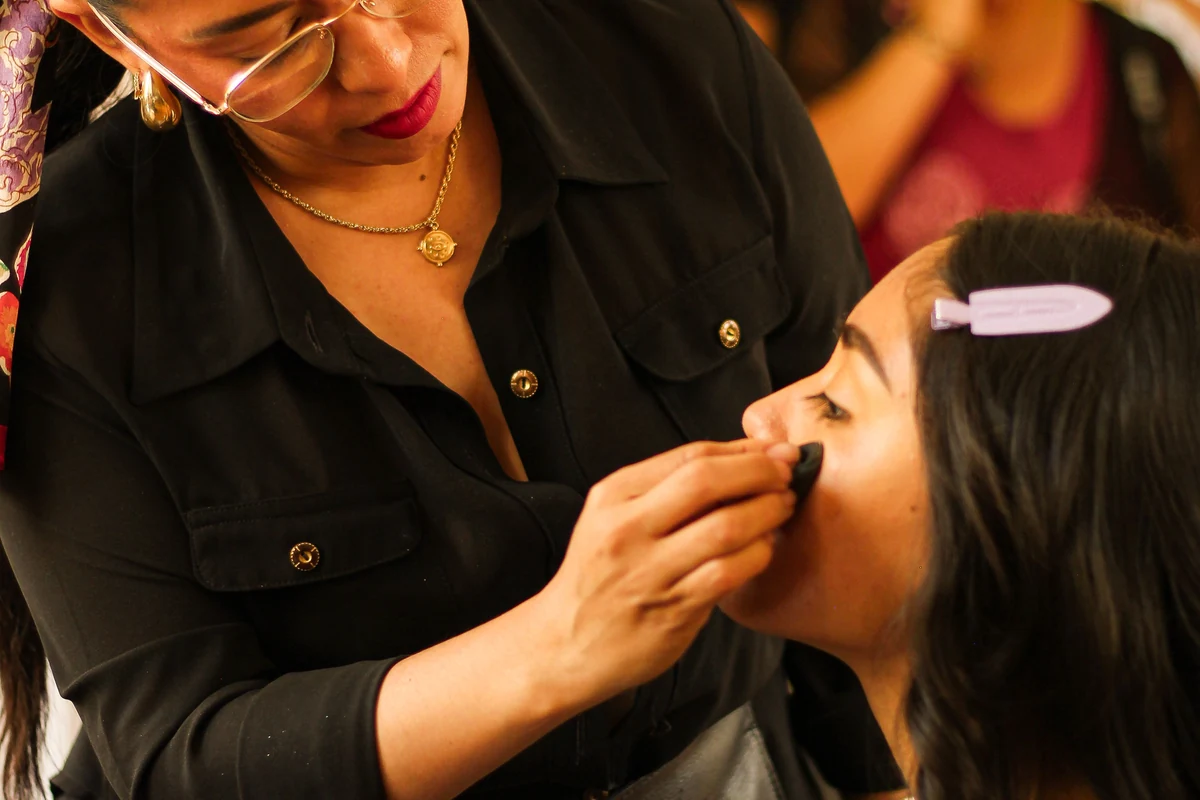
A practical guide to choosing a makeup artist with confidence, from portfolio review and hygiene standards to trial sessions, communication, and occasion-ready results.
This generated CMS article is published as static editorial content for the public root, with no runtime CMS dependency and no active affiliate links.
Guide at a glance
How to use this guide.
Who this is for
Readers comparing makeup decisions through a careful best-for guide format.
What this covers
This generated CMS article focuses on routine structure, product-role context, and editorial-safe guidance.
What stays deferred
Affiliate activation, treatment claims, and request-time CMS dependencies remain out of scope.
Common mistakes
- Treating this preview as a diagnosis, treatment plan, or guaranteed-result promise.
- Adding too many product steps before the routine role of each step feels clear.
- Assuming generated CMS content changes the static/export boundary of the public site.
Start with the look and occasion
The best makeup artist for one person is not always the best fit for another. Start by defining the occasion, the level of finish you want, and how comfortable you want the final look to feel.
A soft daytime look, bridal glam, editorial makeup, camera-ready event makeup, and natural enhancement all require different levels of technique, timing, and product choice.
- Save visual references that show the finish you prefer.
- Note whether you want natural, polished, glam, matte, dewy, or camera-ready makeup.
- Consider the event setting, lighting, weather, and how long the makeup needs to last.
Review the portfolio for consistency
A strong portfolio should show more than one beautiful face. Look for consistency across different clients, skin tones, face shapes, eye shapes, and lighting conditions.
Pay attention to blending, skin finish, brow balance, lash placement, lip definition, and how well the makeup supports the client rather than overpowering them.
- Look for real client photos as well as styled shoots.
- Check whether the artist can create the kind of look you actually want.
- Be cautious if every image is heavily filtered or edited.
Ask about hygiene, products, and skin comfort
Professional hygiene matters. A good makeup artist should use clean tools, sanitize products appropriately, and communicate clearly about what will be applied to your skin.
If your skin is easily irritated or you have known sensitivities, ask questions before the appointment. A makeup artist cannot diagnose skin concerns, but they can help you avoid unnecessary surprises by discussing product types and comfort preferences.
- Ask how brushes, sponges, and tools are cleaned.
- Mention known sensitivities before the booking.
- Avoid unsupported promises about skin transformation or guaranteed results.
Use a trial session when the result matters
For weddings, major events, professional shoots, and high-pressure occasions, a trial session is useful. It gives you time to test the finish, wear time, comfort, and communication style before the actual day.
A trial also helps the artist understand your preferences more clearly. Bring references, but stay open to professional guidance about what will suit your features, outfit, lighting, and schedule.
- Take photos in different lighting after the trial.
- Check how the makeup feels after several hours.
- Use the trial to refine details rather than starting from zero on the event day.
Compare value, timing, and communication
Price is only one part of the decision. Consider preparation, punctuality, product quality, hygiene, communication, travel, assistant support, and how clearly the artist explains the process.
The right makeup artist should make the experience feel organized and respectful. Clear communication before the appointment often matters as much as the final look.
- Confirm timing, location, total cost, and what is included.
- Ask about touch-ups, travel fees, and cancellation terms.
- Choose someone whose style and process make you feel confident.